What Happens during Phase 1 Orthodontics?

In phase 1 orthodontics, orthodontists treat patients between the ages of six and nine. Those patients have mixed dentition. This means patients have a mix of permanent teeth and deciduous or baby teeth. Phase 1 orthodontic addresses problems in the mixed dentition period. These are things that can result in severe overcrowding and unhealthy tooth wear. Many patients also struggle with proper dental hygiene and may worry about others teasing them.
Assessment in phase 1 orthodontics
This is an effective preventive line of care. But, not every child will benefit from phase 1 orthodontics. The orthodontist will assess the patient’s potential needs. Then the pediatric orthodontist can take proactive measures to create a better outcome. Children need these preventive methods for many reasons, including:
- misaligned teeth
- craniofacial differences
- cleft palate
Common procedures of phase 1 orthodontics
There are many reasons why a patient will need phase 1 orthodontics. But, for many of these conditions, the treatments are similar. Overcrowding — when there is not enough jaw space for the number of teeth — can cause teeth to turn or grow out misaligned. This is a common occurrence in pediatric orthodontics. In children, the jaw is sometimes too small for the number and size of teeth that are present. Permanent teeth that erupt that are much larger than deciduous teeth can also create the conditions for overcrowding. Dentists treat the issue of overcrowding in different ways, depending on the patient.
Tooth extraction involves identifying and removing teeth. These teeth may be deciduous or permanent. Their removal can create space for existing teeth or for teeth that have not yet erupted. Sometimes, a tooth is preventing a needed tooth from erupting. An orthodontist may extract one or more teeth. That way, the remaining teeth can be guided into alignment.
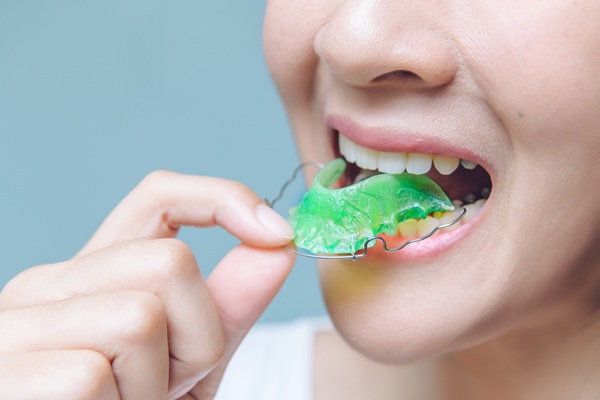
Orthodontists may use headgear and braces in a limited way. These tools will begin to move the teeth into alignment once the orthodontist has created space. Patients often still have a mix of teeth. So, the orthodontist places these braces only on certain teeth. Patients can get braces during phase 1 orthodontics even if they do not have any teeth extracted. Orthodontists often decide on installing braces and headgear if the patient can cooperate.
Spacers and expansion appliances hold space in the mouth after the orthodontist extracts a tooth or teeth. Spacers keep teeth from migrating into the space. Teeth that have not erupted yet are then more likely to erupt on their own without any surgical help. Once they have erupted in adolescence, the orthodontist may need to take further corrective action, but not always. The orthodontist will remove the spacer or expansion appliance when there is evidence the tooth is erupting. The orthodontist will also take them out if they must surgically expose the tooth.
Are you considering phase 1 orthodontics?
Phase 1 orthodontics can help patients prevent serious dental issues and improve appearance. It leads to a healthier long-term outcome with less surgical intervention. Orthodontists hope to avoid more intensive oral therapies and surgeries later on. The orthodontist can explore the options with the patient’s caregivers to decide on a plan of care.
Are you considering phase 1 orthodontics in the Laguna Hills area? Get more information at https://www.orangecoastortho.com.
Check out what others are saying about our services on Yelp: Phase 1 Orthodontics in Laguna Hills, CA.
Recent Posts
An orthodontist has various treatments to help patients achieve a straighter smile. While it is possible to get orthodontic treatment from other dental providers or even online, choosing a specialist like an orthodontist to guide your treatment can be the safest, quickest, and most comfortable route. Understanding why orthodontist-led treatments are the preferred choice for…
After orthodontic treatment, retainers keep teeth from drifting back toward their original positions. A fixed retainer is a thin wire bonded behind the front teeth, usually canine to canine. Because it stays in place, it provides continuous support for alignment, especially in areas that have crowding or spacing. Patients brush carefully around the wire and…
Adult orthodontics offers practical and streamlined solutions to address alignment concerns while working with busy schedules. Whether the goal is correcting crowding, spacing, or bite imbalances, modern techniques help transform complex plans into manageable phases. With streamlined and personalized approaches, most adults find that orthodontic treatment progresses with greater precision and predictability than expected.Each orthodontic…
Clear aligners are one of the most popular methods in orthodontics to address issues with alignment. Over the years, the technology behind aligners has improved greatly, thus allowing for more and more issues to be resolved. In addition to the versatility behind clear aligners, they offer an array of benefits that other approaches do not…