How an Orthodontist Corrects Jaw Position
An orthodontist strikes a balance between the least intrusive and the most effective treatments. For jaw misalignment, treatment almost always requires a combination of different measures. Here is what you need to know about how an orthodontist corrects this particular orthodontic problem.
An orthodontist describes dental, skeletal, and neuromuscular orthodontics
The nature and severity of orthodontic problems vary from person to person. Some people experience relatively minor effects, like a dent in self-confidence and difficulties with teeth cleaning. Others will live with effects like speech and breathing problems.
Minor orthodontic problems can stem from smaller issues like excess teeth in the mouth. Treatment for this type of issue can be as simple as timely or pre-emptive tooth extraction.
As a rule of thumb, orthodontic problems that affect an individual’s quality of life tend to have their origin in the jawbone. They often result from a malformation or misalignment of the jaw. These issues are often congenital, but they can develop as a result of injury or illness. Orthodontists often correct these problems by guiding the growth or healing of the jaw. They will craft a custom course of treatment that prevents the jaw muscles from snapping the jaw back into their old, undesirable alignment. Timely intervention goes a long way to improve the long-term outcome of severe jaw problems. Here are a few common treatments that align the jaw.
1. Braces correct minor misalignment of the jaws
Orthodontists use gradual, constant pressure to reposition specific teeth into optimal alignment. The precision of this course of treatment corrects the position of the jaw in the bargain. Braces are only effective on minor orthodontic issues caused by jaw abnormalities.
2. A combination of braces and extraoral appliances corrects a severe underbite or overbite
Braces apply corrective forces to the jaws from the inside of the mouth. A face mask or headgear complements the braces by applying corrective forces from the outside of the mouth.
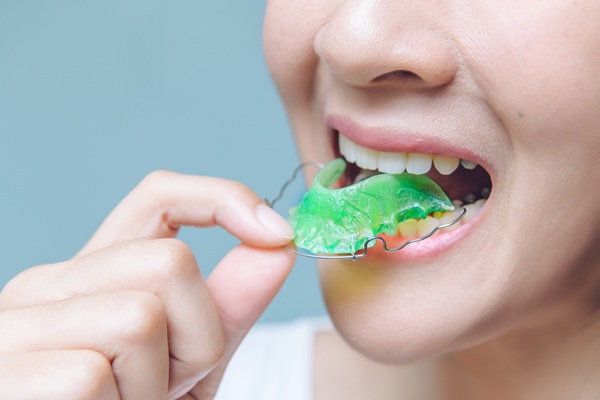
Both these forces need to act on the jaws for extended periods, usually 12 hours per day, for 12 to 18 months. Many patients prefer to wear headgear at night, so they do not have to put up with it during the day. Headgear will treat an overbite, while facemask therapy will treat an underbite. An orthodontist can also incorporate a palatal expander into a more extensive treatment plan.
3. Corrective jaw surgery
Orthodontists only use this option as a last resort that corrects debilitating jaw disorders. An orthodontist will recommend the surgical correction of the jaw’s position as part of a larger treatment plan. Most patients will still need an orthodontic appliance in preparation for surgery or after they heal from the procedure.
A healthy and functional smile is within reach
Our orthodontist crafts custom treatment plans to correct a variety of orthodontic problems. Get in touch with us today to schedule a consultation at our Laguna Hills office.
Request an appointment here: https://www.orangecoastortho.com or call Orange Coast Orthodontics at (949) 305-0550 for an appointment in our Laguna Hills office.
Check out what others are saying about our dental services on Yelp: Orthodontist in Laguna Hills, CA.
Recent Posts
An orthodontist has various treatments to help patients achieve a straighter smile. While it is possible to get orthodontic treatment from other dental providers or even online, choosing a specialist like an orthodontist to guide your treatment can be the safest, quickest, and most comfortable route. Understanding why orthodontist-led treatments are the preferred choice for…
After orthodontic treatment, retainers keep teeth from drifting back toward their original positions. A fixed retainer is a thin wire bonded behind the front teeth, usually canine to canine. Because it stays in place, it provides continuous support for alignment, especially in areas that have crowding or spacing. Patients brush carefully around the wire and…
Adult orthodontics offers practical and streamlined solutions to address alignment concerns while working with busy schedules. Whether the goal is correcting crowding, spacing, or bite imbalances, modern techniques help transform complex plans into manageable phases. With streamlined and personalized approaches, most adults find that orthodontic treatment progresses with greater precision and predictability than expected.Each orthodontic…
Clear aligners are one of the most popular methods in orthodontics to address issues with alignment. Over the years, the technology behind aligners has improved greatly, thus allowing for more and more issues to be resolved. In addition to the versatility behind clear aligners, they offer an array of benefits that other approaches do not…